Maitreyi Ramakrishnan, Priyanka Kedia, and Castmates Explore Relationships Through Dance in “Best of The Best”
Warning: This article discusses pivotal moments within the storyline and contains spoilers!
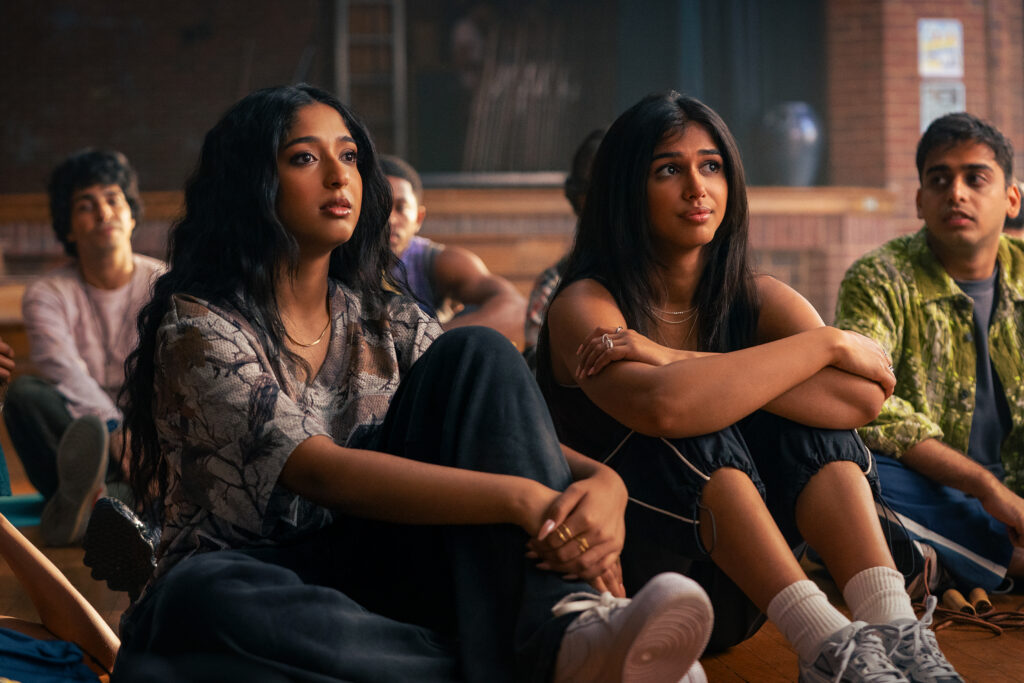
Exploring opportunities is a crucial part of growing up. Some opportunities test your limits, determining whether you can emerge stronger on the other side of it. In Netflix’s newest collegiate comedy film, Best of the Best, one such opportunity for best friends Maya (Maitreyi Ramakrishnan) and Anjali (Priyanka Kedia) is through dance.
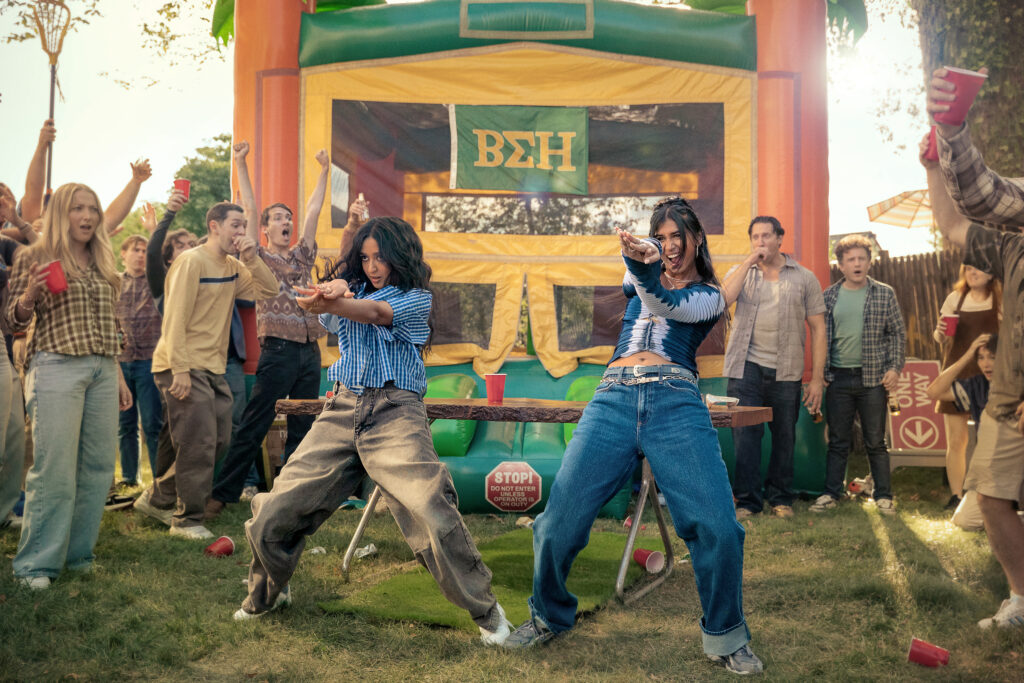
Maya and Anjali not only grew up together, but they also share a strong dedication, passion, and drive for all things dance. The film beautifully showcases the evolution of their friendship over the years through an opening montage from childhood to the start of college. Best of the Best follows the pair as they begin their freshman year at UCLA, particularly their ambition to join the highly competitive Bollywood-inspired fusion dance club. “The girls grew up dancing together, and I think building that kind of trust and that nonverbal communication is so key to who they are,” said Kedia in an exclusive interview with EnVi.
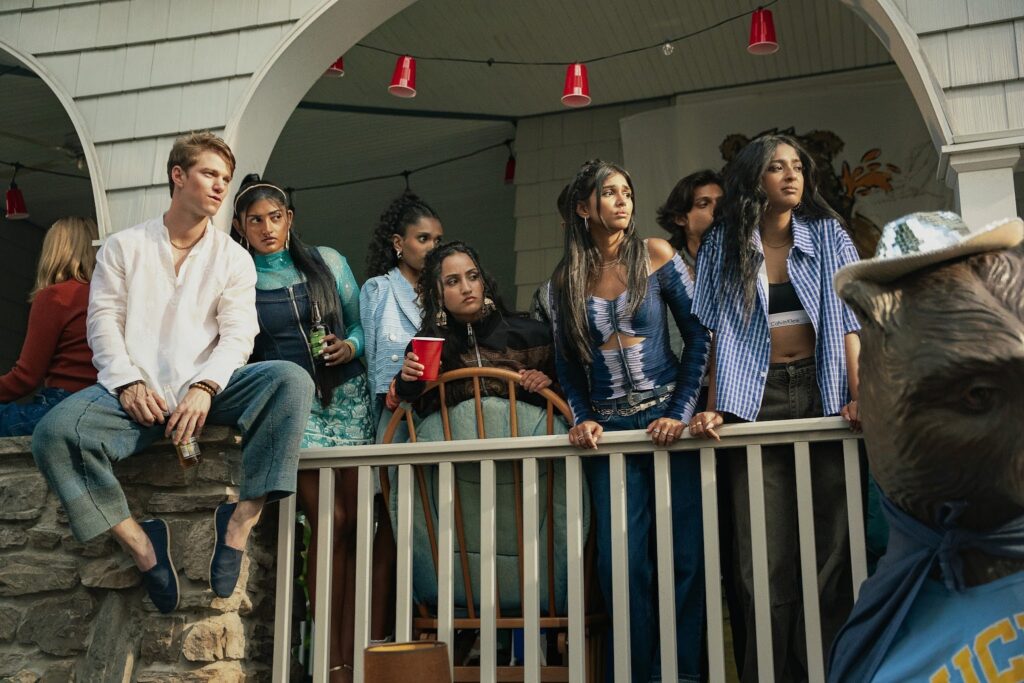
EnVi had the opportunity to explore the essence of dance and their character portrayals with castmates Ramankrishnan and Kedia — as well as Chaneil Kular and Ankur Rathee, who play fellow students Arjun and Ronak, respectively — via Zoom.
Best of the Best Presents the Captivating World of Bollywood
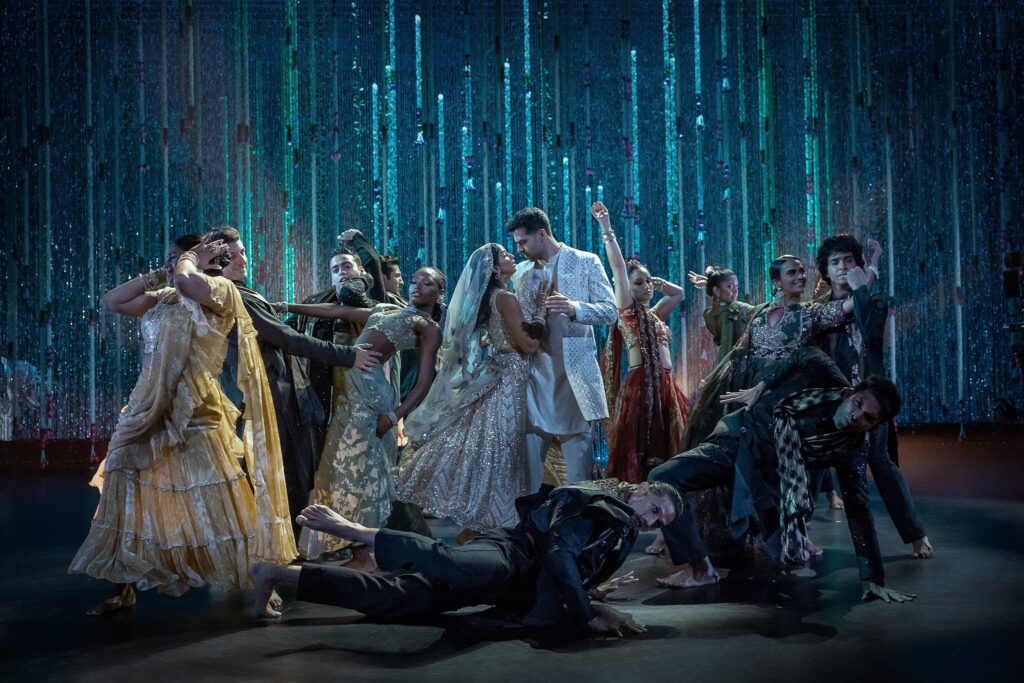
At its foundation, Best of the Best introduces viewers to the world of Bollywood dance and the elaborate and detailed process of preparing and executing dance styles. New viewers who are unfamiliar with Bollywood dance may perceive the film as a fusion of traditional dance forms with contemporary sounds. However, Rathee emphasized that such fusion is integral to the overall aesthetic of Bollywood.
“[Bollywood] is fusion in and of itself. It is the influence of Kathak (Indian classical dance), and so many other different dance styles, including hip hop. It has so much influence and it continues to evolve,” he said. “These dance teams, they’re not only doing Bollywood, and that’s a big thing that I hope this film kind of addresses. India has about eight major film industries, eight different languages and movement styles associated with each, and these dance companies, they end up essentially pulling music and movement from all of them.”
Teamwork Really Makes the Dream Work
While the dances are fascinating to watch, the film also examines the value of teamwork and how leadership propels a team forward. Rathee has a direct role in team direction in the film, as his character, Ronak, serves as the dancing team’s captain.
Reflecting on how his character handles key circumstances in the film, Rathee commented, “I think when you’re 22, as my character Ronak is, you have to exude confidence and you have to make a bunch of other 18 to 22 year olds believe that you know what you’re doing. When in reality, you probably don’t.”
He continued, “So, there is a level of fake it until you make it there, ’cause that confidence isn’t always experienced [from birth]. I think that having that kind of self confidence is definitely an important trait for a leader at that level.”
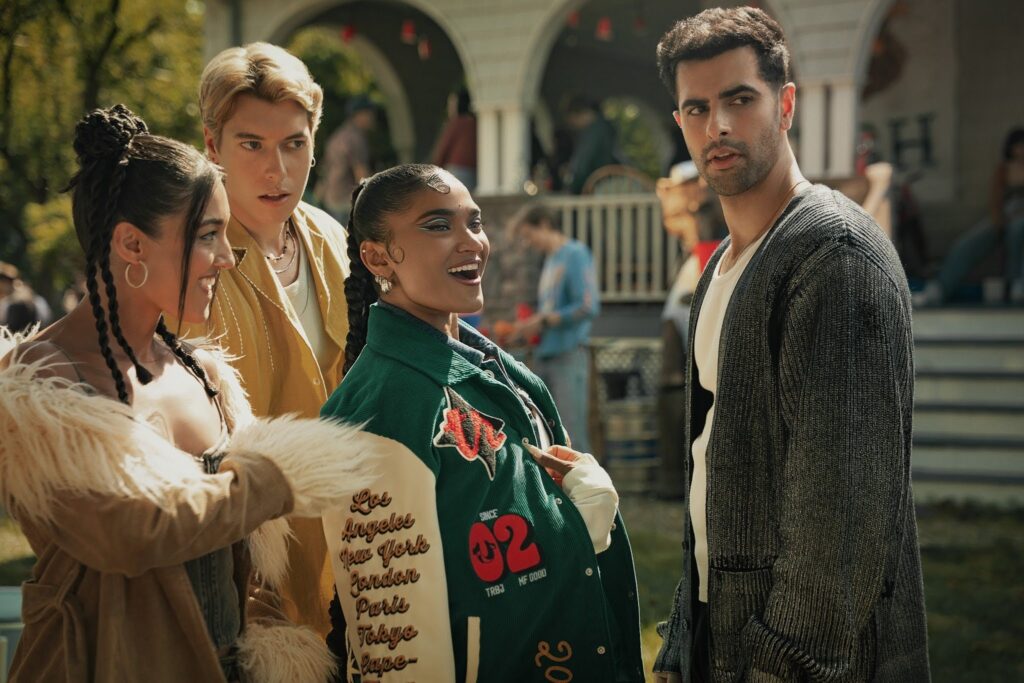
Kular, while not a direct member of the Bollywood dance team, plays the character of Maya’s love interest. He serves as a pillar for her amid key hurdles she faces, while also being a lighthearted addition to the ensemble. When asked the same question about how team direction influences a group’s general understanding, Kular shared his thoughts: “I say open mindedness, as well. I think confidence is obviously very important. And you do need that sense of direction as a leader, but I think it’s also important to be listening to people within your group and being open to ideas and collaboration as well.”
Rathee joked that their words, although conveying the same sentiment, also mirror the perspectives of their characters. “That is exactly what Ronak would say and exactly what your character [Arjun] would say and the critique his character would have of my character, so it’s spot on.”
Vulnerability Makes Friendships Last
Speaking of interpersonal dynamics: the film centers on Maya and Anjali, two characters who are practically never apart. They are the central relationship in Best of the Best, which encapsulates the experience of coming of age and managing relationships in a person’s late teens and early 20s.
While Maya and Anjali are obviously close, their relationship illustrates that closeness can sometimes strip a person of their individuality, and that friendships riddled with codependency and self-comparison can lead to a sour evolution. This is highlighted in several ways throughout the film, including when Maya automatically assumes Anjali will support her when she proposes the team not use the Bollywood shaadi (wedding) theme for the first round of competitions. We also see this when Anjali’s mother compares her to Maya, as well as their efforts to get into UCLA, where Maya received a full-ride scholarship while Anjali was initially waitlisted before being admitted.
Even bigger moments of strife occur when we see the duo’s friendship unraveling, such as the overarching conflict surrounding Anjali being given the lead role in the team’s dance sequences at Maya’s expense. Ronak, Dimple, and Deepica purposely choose to violate voting integrity by changing their votes to Anjali’s advantage.
All of this culminates in a fight in the dorms’ common areas, where their lack of open communication resulted in unresolved issues and underlying resentment toward one another. Ramakrishnan believes that conflict in everyday relationships, whether platonic or otherwise, demonstrates a person’s level of regard for that relationship and the depth to which it may mean to them to fight for it in the midst of conflict. “[It is] fully dependent if [that person is] willing to talk about it,” she said. “I think struggle is good, and, honestly, weird if you don’t have that in your romantic, platonic, or familial relationships. You’re gonna fight. That’s ok. Because it tends to mean that you just really love and care about a person.”
Kedia, on the other hand, believes that having open communication with that person is fundamental. “I think it’s about vulnerability instead of trying to be strong [as it] ends up pushing the other person away,” she shared.
Friction Propels Friendship Forward
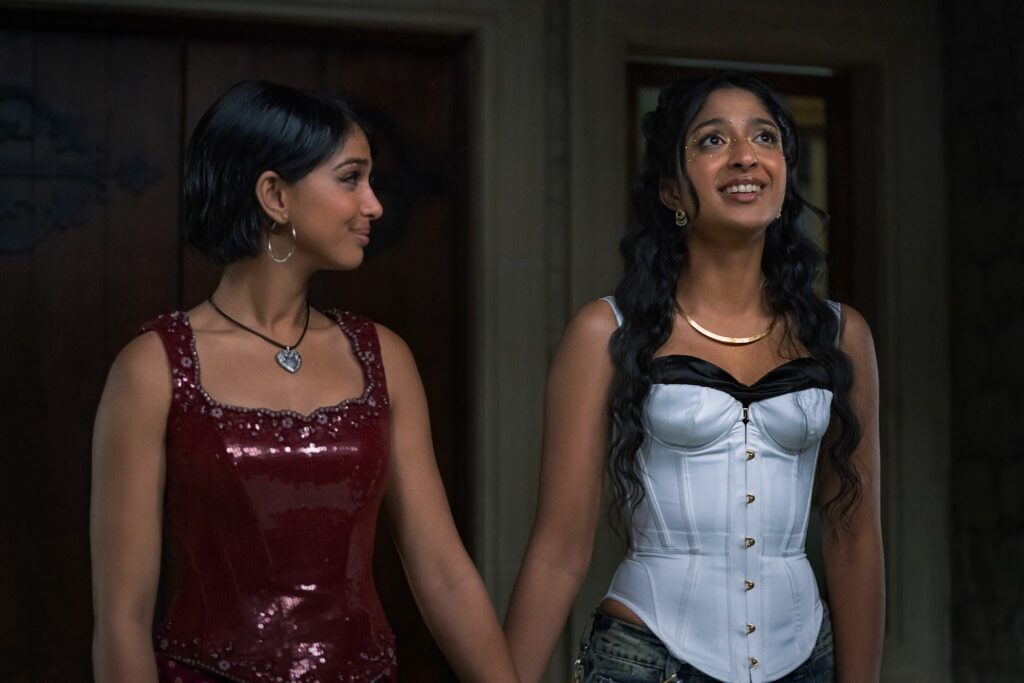
Toward the end of the film, just before the finals of the Best of the Best competition, the two girls take the stage as the leads. Maya and Anjali have a heart-to-heart over their prior dispute and, after spending time apart during the semester break, discover that they are able to live independent lives. We discover that Anjali makes the decision to drop Computer Science as her major and instead declare herself undecided. She is also able to admit and apologize to Maya for unintentionally hurting her and prioritizing her feelings over their friendship.
“We see it finally at the end, the moment that everything clicks and reconciliation is possible, is when Anjali realizes how much she has hurt Maya, and that’s when she’s able to recognize what she’s doing, and that brings them closer,” Kedia said. She continued, pointing out the moral within the scene: “[The] moment that they have backstage, where they’re acknowledging all the ways that they could have been there for each other more, and could have been more honest with each other; I think that’s the lesson there.”
The pair’s backstage moment together also demonstrates that, while peace can be reached within a friendship, the past can still be remembered and impact the bond in the future.
“That reconciliation, that apology seen backstage before they’re about to perform, is done so beautifully, not in a perfect, ‘Now everything is back to normal. They’re sisters, and it’s even better,’” Ramakrishnan said, reflecting on that scene. “To me, at least, it reads as, ‘These two girls are evolving to the next chapter.’ When Anjali’s apologizing, she’s not saying, like, ‘Now I’m absolved of all fault.’ It’s like, no, this is just the beginning of us figuring out, ‘Hey, how can we be better for each other so we can grow?’”
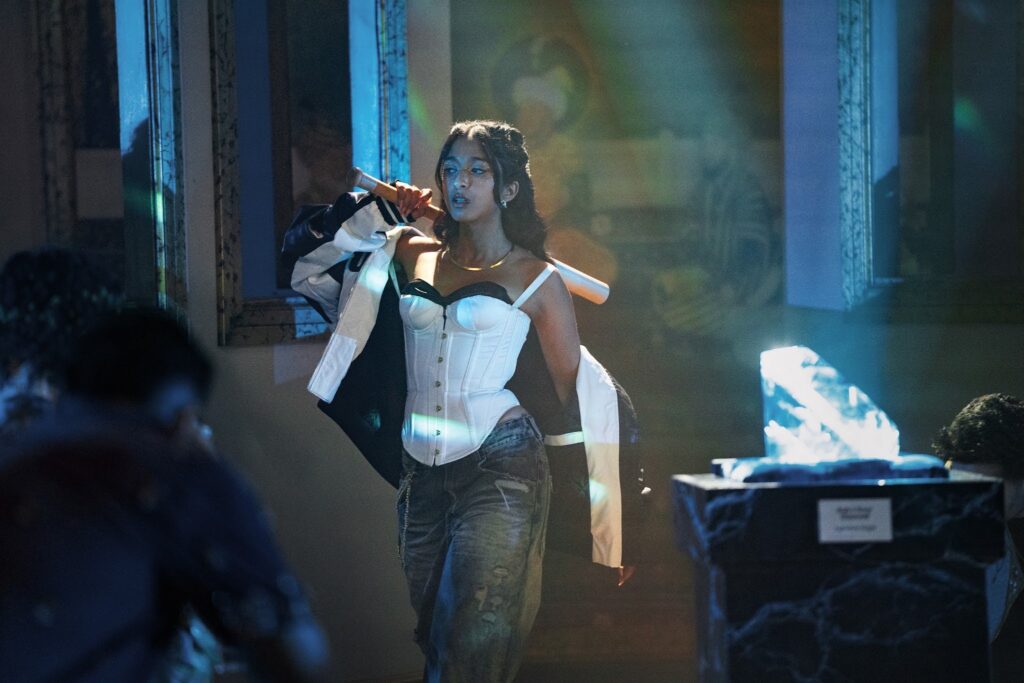
The film delves deeper into Maya and Anjali’s reconciliation through their powerful duet. The team is staging their final performance when one of the lighting fixtures bursts and the glass shatters across the stage, leaving the team in the dark (both physically and symbolically) about where to go next. Maya is then reminded of her moments with Anjali, and performs a routine that the two have done many times before. Anjali is the first to join her from the team, complimenting Maya as they go off-script in front of the judges and their families and loved ones in the audience. The team follows suit, using the broken shard of light to enhance the dance and create a compelling plot on its own.
“I remember having my mind blown after, you know, we were kind of deep into filming, and we finished [the] majority of the dances,” Ramakrishnan reflected. She continued, “I really understood finally: Mackenzie, Philip, and Joya’s choreography, specifically Maya and Anjali’s duets, like more close proximity moments, because they really were storytelling how, at certain points in the movie, Maya is lifting Anjali up, but then by the end of the movie, we’re in a place (…) of how these two girls are, like, ‘No, I lift you up, you lift me up, literally, emotionally…'”
While showcasing Bollywood to new audiences, Best of the Best skillfully emphasizes that dance is fundamentally a storytelling medium. Although the film is primarily comedic in tone, it reveals a touching story about sisterhood and the value of finding your voice through art when you peel back its layers.
Thinking about viewing more movies after finishing Best of the Best? Check 7 Asian films like “People We Meet on Vacation” here!